Equivalent standards
EN 1.6582, DIN 34CrNiMo6
34CrNiMo6
High-toughness alloy steel for heavy-duty shafts, gear shafts, and load-bearing components.
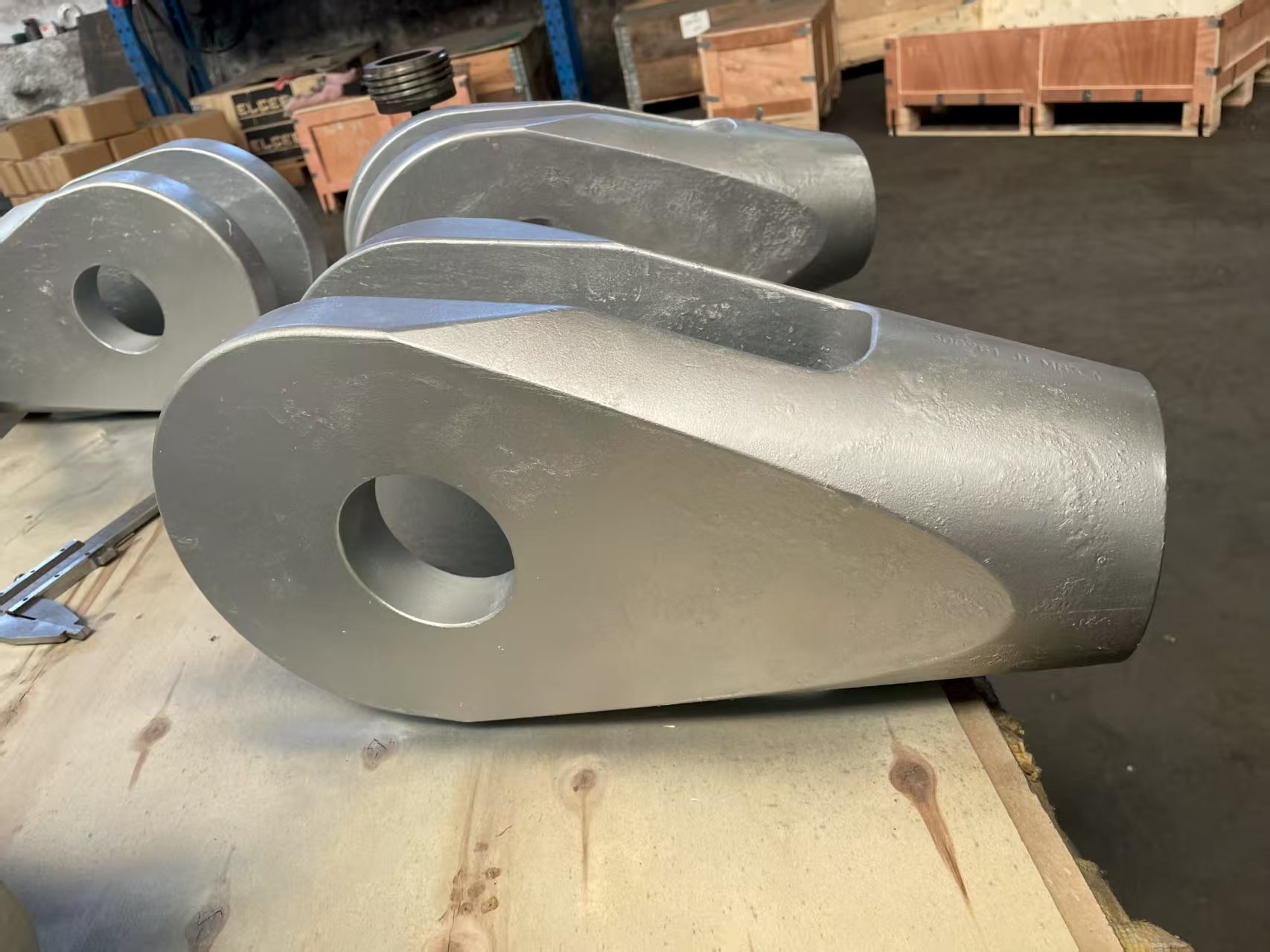
Procurement Summary
Use this page as a starting point for RFQ discussion. Exact chemistry, mechanical properties, delivery condition, testing, and certificate requirements should be confirmed against the active order standard.
EN 1.6582, DIN 34CrNiMo6
Buyer Fit
Buyers commonly review 34CrNiMo6 for heavy machinery, heavy-duty shafts, mining equipment, oil and gas-related components, and demanding rotating parts.
Review 42CrMo4 when the application does not require the higher toughness route normally associated with 34CrNiMo6.
34CrNiMo6 round bar, Dia 120mm x 5000mm, QT, machined allowance required, 12MT, for heavy-duty shaft machining, destination Busan, MTC and UT request for review.
Application Fit
Confirm grade, delivery condition, surface route, testing requirements, and downstream process before final quote.
Confirm grade, delivery condition, surface route, testing requirements, and downstream process before final quote.
Confirm grade, delivery condition, surface route, testing requirements, and downstream process before final quote.
Private Factory Processing
Processed through JOTAIN's private factories when project requirements call for heat treatment, peeling, grinding, straightening, chrome plating or cut-to-length preparation.
Review JOTAIN's heat-treatment and bright-bar processing factories before confirming delivery condition, surface route, inspection, and packing requirements.
Processing & RFQ
Before quotation, confirm the processing route and document package together with the grade. This helps avoid quoting a bar that matches the grade name but not the downstream manufacturing need.
Discuss QT, normalized, or annealed route when the application requires controlled condition.
Review surface and dimensional expectations before machining or assembly.
State MTC, testing, traceability, and third-party inspection needs during RFQ review.
Related Resources
Open this guide to prepare a clearer RFQ.
Open this guide to prepare a clearer RFQ.
Open this guide to prepare a clearer RFQ.
FAQ
34CrNiMo6 is commonly discussed with EN 1.6582, DIN 34CrNiMo6. Final equivalence should be confirmed against the active order standard, drawing, and property requirements.
Common discussion points include QT, Forged bar, Machined upon request. The right condition depends on downstream application, machining route, and inspection requirements.
34CrNiMo6 is commonly discussed for Heavy machinery, Shaft bars, Mining and oil equipment. Buyers should confirm load, surface route, and document requirements before quotation.
Share load application, required condition, diameter, length, quantity, and testing expectation.
RFQ
Share load application, required condition, diameter, length, quantity, and testing expectation.