RFQ checklist
- Grade and starting diameter
- Target diameter and length
- Peeling or grinding route
- Tolerance, surface, certificate, and destination
Technical Resource
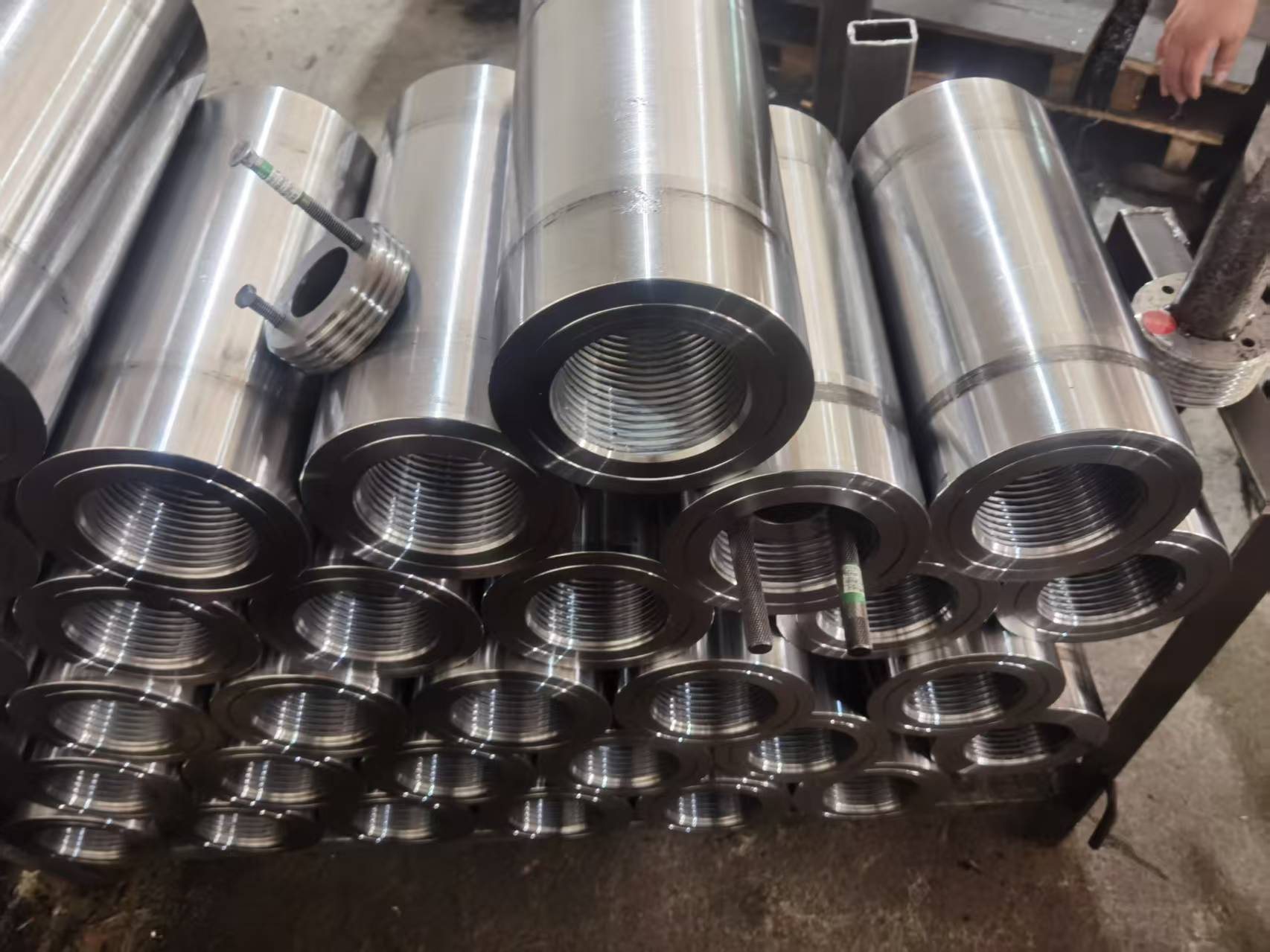
Surface route matters when steel bars move into machining, polishing, chrome plating, assembly, or other downstream production. Peeled and ground bars are discussed for different dimensional and surface expectations.
Quick Answer
Peeling removes surface material and prepares the bar route; grinding is a finishing route for more controlled surface or diameter expectations when specified.
RFQ Comparison
| Topic | What to review | RFQ impact |
|---|---|---|
| Peeling | Starting diameter, target diameter, allowance, and downstream use | Sets the surface-removal route for quotation |
| Grinding | Final diameter, tolerance expectation, surface expectation, and straightness | Defines whether a finishing route is needed |
| Packing | Surface protection, bundle plan, labels, and destination | Protects processed surfaces during export |
Application Examples
Confirm details during RFQ review.
Confirm details during RFQ review.
Confirm details during RFQ review.
Common Mistakes
Buyer Guide
Use this guide to prepare a clearer specification and reduce back-and-forth during RFQ review.
Peeling removes surface material and can prepare bars for machining or surface finishing routes. Buyers should confirm diameter tolerance, allowance, straightness, and final use.
Grinding is normally discussed when closer surface and dimensional expectations are needed. The required tolerance and surface expectation should be stated in the RFQ.
Confirm grade, diameter, length, tolerance, straightness, surface condition, machining allowance, packing, and inspection requirements.
Related Pages
Open this page to connect the guide topic with product, processing, document, or RFQ details.
Open this page to connect the guide topic with product, processing, document, or RFQ details.
Open this page to connect the guide topic with product, processing, document, or RFQ details.
Open this page to connect the guide topic with product, processing, document, or RFQ details.
FAQ
No. Peeling and grinding are different preparation routes and should be specified according to final tolerance, surface, and machining needs.
It depends on allowance, tolerance, straightness, and downstream process. Share the application and final requirement during RFQ review.
Yes, but it is better to include surface and dimensional expectations in the first RFQ.
RFQ
Include delivery condition, processing requirement, destination port, testing requirements, and certificate expectations so the supply route can be reviewed clearly.